
Marine Insurance
Marine insurance is a type of insurance that provides coverage for loss or damage to ships, cargo, terminals, and any means of transport by which property is transferred between points of origin and final destination. It is essential for protecting the interests of ship owners, cargo owners, and other stakeholders involved in the transportation of goods and passengers by sea and related modes.
Marine insurance in India is governed by the Marine Insurance Act, 1963, which codifies the law relating to marine insurance and provides a comprehensive legal framework for contracts covering ships, cargo, freight, and other maritime interests. The Act draws heavily from the English Marine Insurance Act of 1906 and was enacted to support the growth of maritime trade and shipping in India after industrialization.
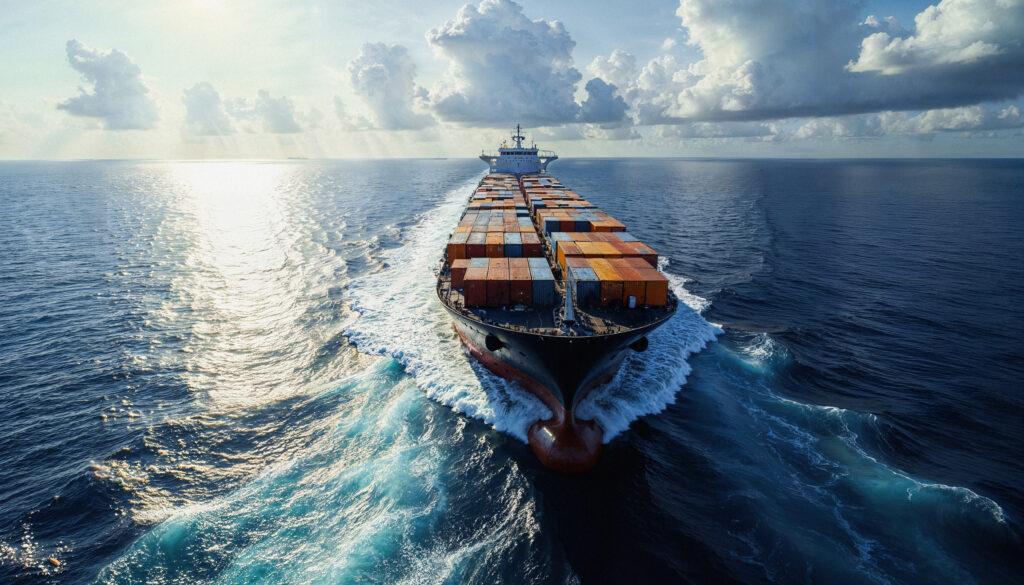
What is covered in marine insurance
- Hull and Machinery Insurance: Covers physical damage to the ship or vessel itself, including its machinery and equipment. This includes risks such as collision, grounding, fire, theft, and natural disasters like earthquakes and explosions.
- Cargo Insurance: Protects the cargo owner against loss or damage to goods while in transit. Coverage typically includes theft, breakage, chipping, denting, bruising, water damage, non-delivery, mishandling, and loss due to natural disasters. It can also include third-party liability for damage caused by defective cargo.
Read More
- Freight Insurance: Covers the loss of freight revenue if goods are lost or damaged during transit. This is important for shipowners or logistics providers who would otherwise lose their expected earnings due to such incidents.
- Liability Insurance: Protects against legal liabilities arising from bodily injury, death, or property damage to third parties due to maritime operations. This includes coverage for collision, pollution, injury or death of crew or passengers, and damage to other ships or port facilities. Protection and Indemnity (P&I) insurance is a common form of liability insurance in marine operations.
- Additional Risks: Depending on the policy, marine insurance can also cover risks such as war, piracy, terrorism, and strikes, though these often require specific endorsements or add-ons.
- Modes of Transit Covered: Marine insurance in India extends to goods transported by water, air, road, rail, registered post, parcel, courier, or any combination of these modes.
What is not Covered in marine insurance
- Willful Misconduct: Losses resulting from the intentional or criminal actions of the policyholder or their employees are not covered.
- Ordinary Wear and Tear: Damage due to normal wear and tear, gradual deterioration, or inherent vice (the natural characteristics or defects of the insured property) is excluded.
Read More
- Delay: Losses caused by delays in transit, even if the delay is due to an insured peril, are not covered.
- Improper Packing or Storage: Losses arising from insufficient, unsuitable, or faulty packaging or storage of goods are excluded.
- Unseaworthiness or Unsuitability: Losses resulting from the vessel not being fit for sea, or defects in the vessel or its equipment, are not covered.
- Inherent Nature of Goods: Losses due to the inherent nature of the goods, especially perishable items, such as spoilage or natural degradation, are excluded.
- Loss of Market or Use: Losses due to loss of market, depreciation, or loss of use of the insured property are not covered.
- Seizure or Destruction by Authorities: Losses from seizure, confiscation, or destruction by government or customs authorities are excluded.
- Criminal Acts by Employees/Agents: Losses arising from criminal acts committed by employees or agents of the insured are not covered.
- Financial Default: Losses due to insolvency or financial default of the vessel owners, managers, charterers, or operators are excluded.
- War, Terrorism, Piracy, and Civil Unrest: These are generally excluded unless specifically added by endorsement.
- Ordinary Leakage or Weight Loss: Normal leakage or loss in weight or volume of goods is not covered.
Eligibility criteria
- Registration of Vessel or Cargo: The vessel or cargo to be insured must be properly registered. Proof of ownership or a legal right to insure the goods or vessel is mandatory.
- Proof of Direct Interest (Insurable Interest): The applicant must demonstrate a direct financial interest in the cargo or vessel, meaning they stand to gain from its safe arrival or suffer a loss if it is damaged or lost. This insurable interest must exist at the time of loss for the policy to be valid.
Read More
- Type and Purpose of Voyage: Accurate details about the nature of the cargo or vessel, the type of voyage, and the purpose of the shipment must be provided. This information helps insurers assess risk and determine appropriate coverage.
- Safety Equipment: The presence and quality of safety equipment on the vessel or cargo are considered, as these affect risk and premium calculation.
- Owner or Operator Qualifications: The qualifications and experience of the vessel owner or operator are evaluated, as these can impact the likelihood of accidents or losses.
- Contractual Party: Marine insurance can be purchased by buyers, sellers, importers, exporters, shipping companies, or freight forwarders, depending on the terms of the sales contract and who holds the insurable interest at risk.
- Compliance with Insurer’s Requirements: Each insurer may have additional specific requirements or documentation, and eligibility can vary slightly between providers.
Features
- Comprehensive Coverage: Protects against physical loss or damage to goods during transit, covering risks such as theft, fire, accidents, and natural disasters.
- Multi-Modal Applicability: Applicable to sea, air, road, rail, and combined transportation, offering flexibility for diverse business needs.
Read More
- Customizable Policies: Policies can be tailored to specific requirements, including cargo type, transport routes, risk tolerance, and additional covers like war or strike risks.
- Global Reach: Provides worldwide coverage, ensuring protection from origin to final destination for international shipments.
- Policy Options: Offers “all-risk” policies (covering all risks except exclusions) and “named perils” policies (covering only specified risks).
- Valuation Flexibility: Allows for different valuation methods, such as invoice value, market value, or cost-plus freight, to determine the insured amount.
- Open vs. Specific Policies: Open policies cover multiple shipments over time; specific policies cover single, defined shipments.
- General Average Clause: Includes shared loss provisions when cargo is sacrificed to save a vessel in emergencies.
- Subrogation Rights: Insurers can recover losses from third parties responsible for damage, reducing financial strain on the insured.
- Deductibles and Excess: Policies may include deductibles (the insured’s share of loss) and excess limits, affecting premium costs.
- Efficient Claims Management: Clear procedures for quick and accurate claims filing, ensuring prompt loss resolution.
- Supports Trade Contract Compliance: Helps businesses comply with international shipping contracts and Incoterms, which often require insurance.
- Supply Chain Resilience: Enhances business continuity by mitigating risks and ensuring operations resume swiftly after losses.
- Boosts Business Credibility: Insured operations foster trust with customers and partners, strengthening business relationships.
Pros and cons
Pros
- Financial protection against losses: Compensates for damage or loss to ships, cargo, or freight due to accidents, theft, piracy, natural disasters, and other maritime risks.
- Safeguards business continuity:Enables businesses to recover quickly from losses, minimizing supply chain disruptions and financial setbacks.
- Comprehensive and customizable coverage:Policies can be tailored to specific needs, covering multiple modes of transport (sea, air, road, rail) under one policy.
- Global reach: Offers worldwide protection, making it suitable for international trade and shipments across different regions.
- Efficient claims settlement: Reliable insurers provide streamlined claims processes for prompt compensation if requirements are met.
- Peace of mind: Reduces uncertainty and stress for businesses reliant on maritime trade, knowing their assets are protected.
Cons
- Exclusions and limitations:Certain losses—such as those from willful misconduct, delay, improper packing, or inherent defects—are not covered.
- Premium costs:Premiums can be higher than standard insurance, especially for high-value or high-risk shipments.
- Documentation and compliance:Requires detailed documentation and strict adherence to policy terms for claims, which can be complex and time-consuming.
- Deductibles and excess:Policies often include deductibles, meaning the insured must bear a portion of the loss.
- Potential disputes:Disagreements over claim settlements or policy interpretation can arise, leading to delays or legal challenges.
- Not all risks insurable:Some risks, such as war or strikes, may require additional endorsements or may not be insurable at all.
Terms and conditions
1. Implied Conditions
- These are not explicitly stated in the policy but are automatically included by law:
- Utmost Good Faith: Both parties must act honestly and disclose all material facts relevant to the insurance contract. Any fraudulent behavior or concealment can void the policy.
- Seaworthiness of Vessel: The insured vessel must be fit and properly equipped for the voyage. If the vessel is not seaworthy, the insurer may reject claims.
- Legality of Voyage: The voyage and all activities related to it must be legal. Any illegal activity can lead to denial of claims.
- Insurable Interest: The insured must have a financial interest in the subject matter at the time of loss.
Read More
- Express Conditions
These are specifically stated in the policy document and may include:
- Notification Requirements: The insured must promptly notify the insurer of any incident that could lead to a claim.
- Maintenance Requirements: The insured must maintain the vessel or cargo in a specified condition, as outlined in the policy.
- Navigation Limits: The insured must adhere to designated routes or operational areas, as specified in the policy.
- Payment of Premium: Premium must be paid in advance for the policy to be effective.
- Period of Insurance: Coverage is limited to the duration specified in the policy, typically the normal transit period.
- Warranties
- Warranties are promises that certain conditions will be met. Breach of a warranty releases the insurer from liability for losses resulting from that breach, even if the breach did not cause the loss.
- Warranties may specify permitted routes, the condition of the vessel, or compliance with safety regulations.
- Other Important Clauses
- Valuation Clause: Specifies how the value of the insured property is determined for claim purposes.
- Contribution Clause: If goods are insured with multiple insurers, each will contribute proportionally to any claim.
- General Average Clause: Provides for sharing of losses among all parties if cargo is sacrificed to save the vessel.
- Institute Cargo Clauses (ICC): Standardized clauses (A/B/C) that define the scope of coverage, from all risks (ICC A) to named perils (ICC B and C).
Scenarios where marine insurance
claim might get rejected
- Negligence in Maintenance: If the insured vessel or cargo was not properly maintained and this negligence contributed to the loss or damage, the insurer can deny the claim. Maintaining detailed records of maintenance and repairs is crucial.
- Improper or Insufficient Insurance Policy: Filing a claim for a type of loss or damage not covered by your policy, or failing to update your policy to reflect changes in cargo, business operations, or routes, can lead to rejection.
Read More
- Errors in Filing the Claim: Mistakes such as submitting incorrect, incomplete, or late documentation, or filing under the wrong policy, are common reasons for denial. Timely and accurate claim filing is essential.
- Non-Disclosure of Material Information: Failing to disclose critical details about the cargo, its value, condition, or voyage can invalidate your claim. Full transparency with your insurer is required.
- Delayed Reporting of Loss: Not reporting a loss or damage within the time frame specified in your policy may result in claim rejection.
- Improper Packaging: If damage occurs because the cargo was not adequately packed to withstand transit risks, the insurer may deny the claim.
- Fraudulent Claims: Any attempt to misrepresent facts, inflate losses, or submit false documentation will result in immediate rejection and possible legal consequences.
- Policy Exclusions: Claims for incidents specifically excluded by the policy (e.g., war, piracy, certain natural disasters) will be denied.
- Deviation from Agreed Route: If the vessel deviates from the agreed route without notifying the insurer, claims for losses during the deviation may be rejected.
- Unseaworthy Vessel: Using a vessel that does not meet safety or operational standards can invalidate coverage and lead to claim denial.
- Transporting Perishable Items: Losses due to the inherent nature of perishable goods (e.g., spoilage without proper temperature control) are often not covered.
How to avoid such scenarios
- Choose the Right Policy: Regularly review your insurance policy to ensure it provides comprehensive coverage that matches your current business needs and the nature of your cargo. Update the policy if there are changes in your operations or cargo type.
- Maintain Accurate Documentation: Keep meticulous records of all transactions, maintenance, repairs, invoices, bills of lading, and correspondence. Proper documentation is crucial for smooth claim settlement and can serve as evidence if a claim is challenged.
Read More
- Ensure Proper Packaging and Handling: Use high-quality, industry-standard packaging materials and procedures. Properly train staff to handle goods carefully, especially for fragile or perishable items, to minimize the risk of damage during transit.
- Conduct Regular Maintenance: Perform routine maintenance checks on vessels and keep detailed logs of all maintenance and repairs. This demonstrates due diligence and helps prove seaworthiness in the event of a claim.
- Disclose All Material Information: Be transparent and thorough when sharing details about the cargo, its value, condition, and voyage with your insurer. Non-disclosure or misrepresentation can lead to claim denial.
- Report Incidents Promptly: Inform your insurer immediately after any loss or damage occurs. Adhere strictly to the reporting timelines specified in your policy to avoid complications.
- Prevent Additional Losses: Take all reasonable steps to minimize further losses after an incident, such as salvaging undamaged goods or arranging repairs as advised by the insurer.
- Understand Policy Exclusions: Carefully read your policy to know what is and isn’t covered. Seek additional coverage for excluded risks (like perishable goods, war, or strikes) if necessary.
- Follow Agreed Routes and Terms: Stick to the routes and operational parameters defined in your policy. Notify the insurer of any deviations in advance to maintain coverage.
- Work with Experts: Engage professionals or insurance advisors experienced in marine insurance to manage your policy and claims process. Their expertise can help prevent errors and ensure compliance with all requirements.
